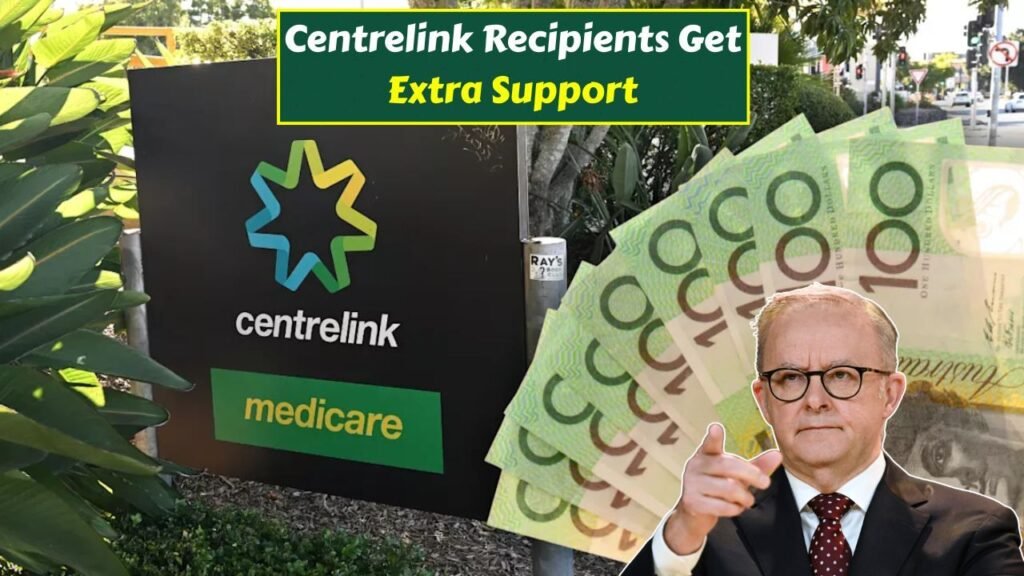
As household costs continue to climb across Australia, financial support programs remain a vital safety net for individuals and families navigating economic pressure. In 2026, attention has shifted toward potential Centrelink extra assistance payments worth up to $1,000 for eligible recipients. These payments are designed to provide short-term financial relief to those facing rising expenses such as housing, utilities, healthcare, and groceries.
While details may vary depending on government policy updates, the introduction of additional support payments reflects a broader effort to stabilize household finances during periods of economic uncertainty. Understanding how these payments work, who may qualify, and how funds are delivered can help recipients plan more effectively and avoid missing valuable financial assistance.
Understanding the Purpose of Extra Assistance Payments

Extra assistance payments are typically introduced during periods of financial pressure to support vulnerable populations. These payments act as temporary relief rather than permanent increases to standard benefits.
In 2026, the proposed payments aim to address cost-of-living challenges that have affected many households, particularly those relying on fixed or limited incomes. Rather than restructuring entire welfare systems, targeted payments provide immediate financial support where it is most needed.
Key Goals of the 2026 Assistance Initiative
The extra support payment framework focuses on several important objectives:
- Providing temporary financial relief to vulnerable households
- Supporting essential living expenses
- Maintaining economic stability for low-income individuals
- Reducing financial strain during periods of inflation
- Ensuring timely support through established payment systems

These targeted payments play a significant role in maintaining household resilience during uncertain economic conditions.
Who May Qualify for the Extra Centrelink Payment
Eligibility for additional assistance payments typically depends on existing participation in government support programs. Individuals already receiving certain benefits may be automatically considered during eligibility reviews.
Recipients do not always need to submit separate applications, as eligibility assessments often rely on information already recorded within government systems.
Common Recipient Categories

Potential beneficiaries may include individuals receiving:
- Age-related pension support
- Disability-related assistance
- Unemployment benefits
- Carer-related payments
- Family-based financial assistance
Each group may receive varying payment amounts depending on their circumstances and household composition.
Seniors Receiving Pension Support
Older Australians receiving pension benefits are among the primary groups likely to benefit from additional assistance. Fixed-income households often face higher exposure to price fluctuations, making targeted payments particularly valuable.
These payments may help offset increasing costs related to healthcare, utilities, and daily essentials.
Disability Support Recipients
Individuals receiving disability-related benefits may also qualify for extra assistance payments. Increased medical costs and specialized care needs often create additional financial pressure, making supplementary support essential.
Eligibility verification typically relies on existing program records.
Job Seekers and Low-Income Individuals
Recipients of unemployment-related payments or those with limited income sources may receive financial support designed to stabilize their budgets during periods of job transition or financial hardship.
These payments help maintain essential living standards while individuals seek employment opportunities.
Carers and Family Support Recipients
Caregivers providing assistance to dependents often experience increased financial responsibility. Additional payments may support essential household expenses and caregiving costs.
Family-based benefits may also be adjusted to reflect household size and financial requirements.
How the $1,000 Support Payment May Be Delivered
One of the most significant advantages of supplementary payments is their efficient distribution through existing banking systems. In most cases, funds are transferred directly into recipients’ registered bank accounts.
This approach eliminates the need for complex application procedures and ensures timely delivery.
Possible Payment Structures
Depending on policy decisions, the extra assistance may be delivered in several ways:
- A single lump-sum payment
- Additional funds added to regular benefits
- Staggered payments across multiple cycles
- Household-based payment allocations
Payment structure decisions typically reflect budget availability and recipient needs.
Automatic Deposit Systems
Automatic deposits remain the most common delivery method for government support payments. Funds are transferred to the same bank account used for regular benefit payments.
Recipients are usually notified through digital account alerts or official correspondence when payments are processed.
Why the Extra Assistance Matters in 2026
The rising cost of living has created financial pressure across multiple sectors, including housing, transportation, and healthcare. Extra support payments provide essential relief during periods when everyday expenses increase faster than income growth.
For many households, even a one-time payment can significantly improve financial stability.
Everyday Expenses Supported by Extra Payments
Additional financial assistance is commonly used to cover:
- Grocery and household supplies
- Electricity and gas bills
- Rent or housing expenses
- Medical and pharmacy costs
- Transportation and travel needs
These essential expenses form the foundation of household financial planning.
Providing support in these areas strengthens overall financial resilience.
Financial Stability Benefits for Households
Short-term payments can create long-term financial advantages when used strategically. While the assistance itself may be temporary, its impact can help households regain financial balance.
Recipients often use extra payments to catch up on overdue bills or prepare for upcoming expenses.
Positive Financial Outcomes
Supplementary payments may help households:
- Reduce outstanding debts
- Prevent service disruptions
- Build small emergency reserves
- Maintain consistent utility services
- Improve overall financial confidence
These outcomes contribute to stronger financial stability across communities.
Preparing to Receive Extra Support Payments
Although many recipients automatically qualify, preparation remains important. Keeping personal and financial information up to date improves payment accuracy and reduces delays.
Regular account monitoring ensures recipients receive notifications promptly and respond to requests when necessary.
Steps to Stay Prepared
To maximize eligibility and reduce processing issues:
- Ensure personal details are current
- Verify banking information accuracy
- Review income records regularly
- Monitor official communication channels
- Maintain documentation for verification purposes
These proactive steps help ensure smooth payment delivery.
Understanding Payment Variations Across Households
Not all recipients receive identical payment amounts. Household size, financial needs, and benefit type may influence the final payment value.
Some households may receive the maximum amount, while others receive adjusted payments based on eligibility criteria.
Factors Influencing Payment Amounts
Payment variations may depend on:
- Type of benefit received
- Household income level
- Number of dependents
- Existing financial support
- Government budget allocations
Understanding these variables helps recipients set realistic financial expectations.
The Broader Role of Support Payments in Economic Stability
Government support programs play an essential role in stabilizing national economies during challenging financial periods. By delivering assistance directly to households, these programs stimulate spending and maintain demand for essential services.
This cycle benefits both individuals and the broader economy.
Economic Benefits of Targeted Support
Targeted assistance programs contribute to:
- Increased household spending capacity
- Improved financial security
- Stabilized consumer demand
- Reduced economic stress among vulnerable groups
- Strengthened national financial resilience
These benefits highlight the importance of well-structured assistance systems.
Looking Ahead: The Future of Financial Support Programs
The potential introduction of Centrelink extra assistance payments in 2026 reflects an evolving approach to financial support. Governments are increasingly using targeted relief measures to respond quickly to changing economic conditions.
While payment structures may evolve, the focus remains on protecting vulnerable households and maintaining financial stability.
Recipients who remain informed and prepared are best positioned to benefit from future support initiatives.
As economic conditions continue to shift, programs like these will remain essential tools in strengthening household resilience and ensuring that financial support reaches those who need it most.