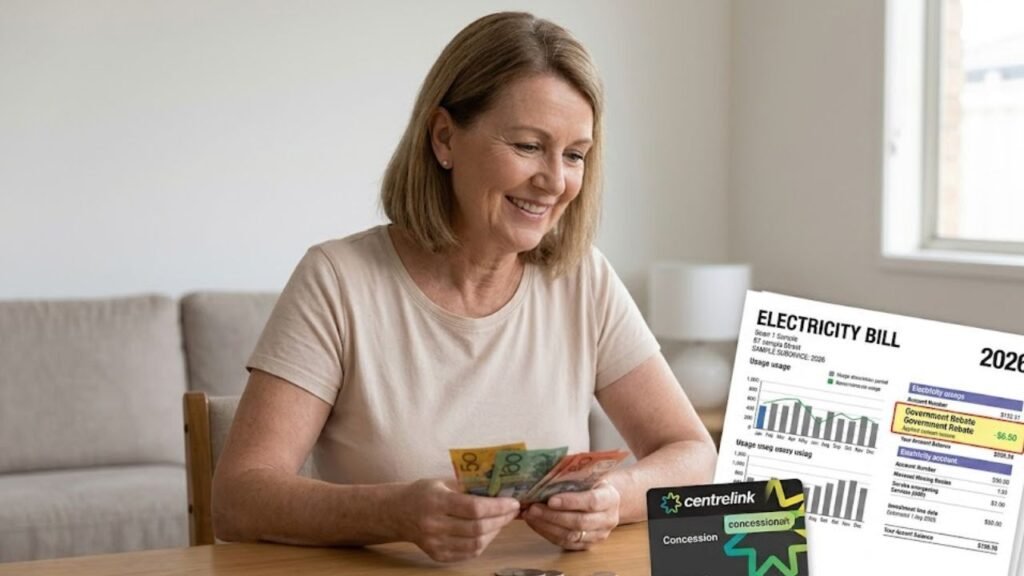
Electricity costs continue to place pressure on household budgets across Australia, making energy rebates in 2026 more valuable than ever. As living expenses climb, government-backed energy support programs linked to Centrelink benefits are expanding eligibility and improving automation, helping more households receive relief without complex application processes.
Unlike direct cash payments, these rebates reduce energy bills at the source. For retirees, low-income families, and individuals relying on government support, this system offers meaningful financial relief throughout the year. With expanded eligibility criteria and enhanced data-sharing systems, the 2026 rebate framework aims to ensure that fewer eligible households miss out on assistance.

Understanding how these rebates work—and how to qualify—can help households maximize their savings and maintain financial stability despite ongoing cost increases.
How Centrelink Energy Rebates Work
Energy rebates are designed to lower electricity expenses by applying credits directly to utility accounts. This method eliminates the need for separate reimbursements or manual claims in many cases.
Instead of transferring funds into a bank account, the rebate appears as a reduction on the electricity bill itself. Over time, these reductions can significantly ease financial pressure, especially during high-usage periods.
Key Features of Energy Rebate Programs

Most Centrelink-linked energy rebates share several common characteristics:
- Credits are applied directly to electricity accounts
- Eligibility is linked to concession card status
- Programs are funded jointly by federal and state governments
- Credits are issued automatically once eligibility is verified
- Reviews occur periodically to confirm continued qualification
This automated approach minimizes paperwork while improving accessibility for households that depend on reliable financial support.
What’s Expanding in 2026
Energy rebate programs in 2026 are expanding to accommodate changing economic realities and rising electricity costs. These updates reflect growing recognition of the financial strain caused by energy price increases.

The latest adjustments focus on improving accessibility and increasing overall support levels.
Major Changes Introduced in 2026
Several enhancements are expected to take effect, including:
- Broader eligibility criteria for concession holders
- Increased rebate caps in selected states
- Extended automatic enrollment for qualified recipients
- Improved data matching between government systems and energy providers
- Additional targeted support for vulnerable households
These changes are designed to ensure that eligible households receive benefits without delays or administrative complications.
Improved automation also reduces the risk of missed payments due to outdated information or incomplete records.
Who Is Most Likely to Qualify
Eligibility for energy rebates generally depends on concession card status and household income levels. While exact requirements vary by location, certain groups consistently benefit from these programs.
Understanding qualification categories helps households determine whether they may be eligible.
Commonly Eligible Groups
Households most likely to qualify include:
- Age Pension recipients
- Disability Support Pension recipients
- Carer Payment beneficiaries
- JobSeeker recipients meeting concession criteria
- Low-income families holding concession cards
These groups often face limited income flexibility, making energy support programs particularly valuable.
In many cases, eligibility is automatic once concession details are properly recorded.
Why Some Households Miss Out on Rebates
Despite widespread eligibility, some households have historically missed out on energy rebates due to technical or administrative issues.
Many of these problems stem from incomplete account details or outdated records rather than eligibility restrictions.
Common Reasons Rebates Are Missed
Typical issues include:
- The concession card holder’s name not appearing on the electricity account
- Outdated personal or contact details
- Incorrectly linked eligibility records
- Lack of awareness about tenant rights
- Unregistered electricity accounts in shared households
Addressing these issues early can prevent missed rebates and ensure that financial assistance is delivered without interruption.
Real-Life Impact on Household Budgets
Energy rebates deliver tangible benefits to everyday households by reducing electricity expenses across billing cycles. For retirees and families managing tight budgets, these credits can make a noticeable difference.
Many households report improved financial confidence after receiving consistent rebates.
Long-Term Financial Benefits
Over time, rebates can help households:
- Reduce overall utility expenses
- Stabilize monthly budgeting
- Manage seasonal increases in energy usage
- Avoid payment delays or service interruptions
- Allocate savings to other essential costs
While each rebate may appear modest individually, cumulative savings across multiple billing periods can be substantial.
Government Strategy Behind Expanded Rebates
The expansion of energy rebates reflects a broader policy focus on protecting vulnerable households from escalating living costs.
Officials have emphasized that energy affordability remains a national priority, particularly for retirees and low-income households who rely heavily on fixed incomes.
Key Policy Objectives
Government initiatives behind the 2026 rebate expansion aim to:
- Improve affordability of essential utilities
- Reduce financial stress among vulnerable groups
- Increase accessibility through automation
- Enhance accuracy through improved data integration
- Ensure equitable distribution of benefits nationwide
Improved data-sharing between agencies and energy providers is expected to significantly reduce administrative delays and improve benefit delivery.
Steps Households Should Take to Secure Rebates
Although many rebates are applied automatically, households should still verify that their details are accurate to avoid missing benefits.
Taking proactive steps can prevent unnecessary complications and ensure consistent support.
Practical Actions to Take Now
To maximize eligibility, households should:
- Confirm that their concession card remains active
- Ensure their name appears on the electricity account
- Review recent energy bills for applied credits
- Update contact and identification details with Centrelink
- Contact their energy provider if credits do not appear
Regular monitoring of bills helps identify issues early and ensures continued access to available support.
How Rebates Differ Across States and Territories
While federal programs provide a consistent foundation, individual states and territories often offer additional rebates tailored to local needs.
This layered system allows households to benefit from multiple programs simultaneously.
State-Level Variations
Depending on location, households may experience:
- Different annual rebate amounts
- Additional seasonal energy support
- Special programs for medical energy users
- Emergency assistance during extreme weather periods
- Supplemental discounts for specific household categories
Combining federal and state rebates can significantly increase total savings over time.
Frequently Asked Questions About Energy Rebates in 2026
Understanding the basics of rebate programs can help households navigate eligibility requirements more confidently.
Is the rebate paid in cash?
No. Energy rebates are applied directly to electricity bills as credits.
Do I need to submit an application?
In many cases, no application is required if eligibility criteria are already met.
Are tenants eligible for rebates?
Yes. Tenants can qualify if their name appears on the electricity account.
Does income affect eligibility?
Yes. Eligibility typically depends on concession criteria linked to income levels.
Can multiple rebates be combined?
Yes. Federal and state programs may work together, increasing total financial support.
How often are rebates applied?
Depending on the program, rebates may be issued annually or quarterly.
Are rebates taxable?
No. Energy rebate credits are generally not subject to taxation.
Looking Ahead: The Future of Energy Support in Australia
As electricity costs continue to evolve, energy rebates remain a critical component of household financial support systems. The 2026 expansion represents a step toward greater inclusivity and efficiency, ensuring that eligible households receive assistance when they need it most.
Automation, improved eligibility tracking, and expanded program access are expected to reduce administrative burdens and increase participation rates. Over time, these improvements could help thousands of additional households benefit from available support.
For retirees, low-income earners, and families navigating rising living expenses, energy rebates offer more than temporary relief—they provide a practical tool for maintaining financial stability in an increasingly expensive environment.