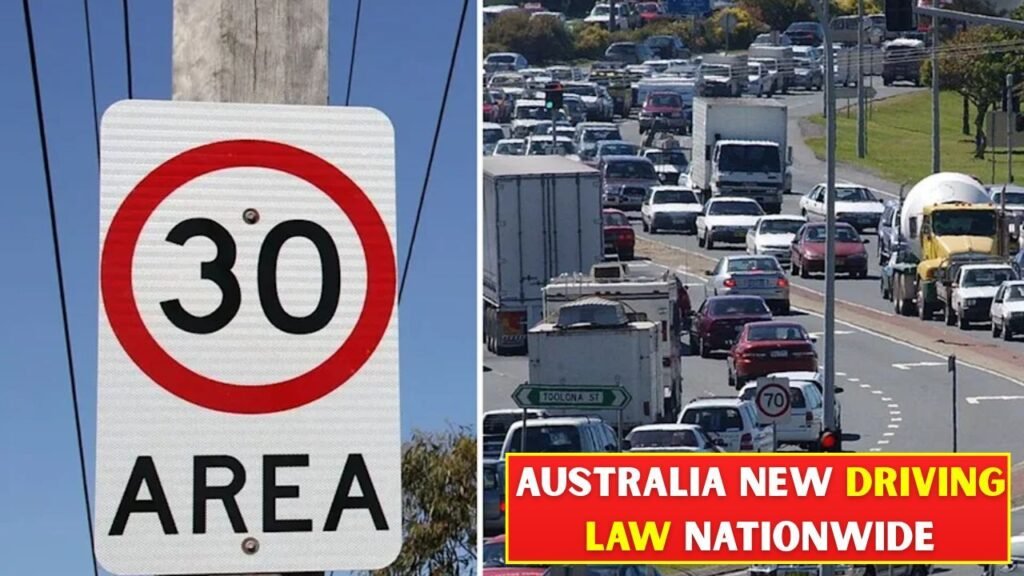
Australia is entering a new era of road safety in 2026, with updated driving regulations scheduled to take effect nationwide. These reforms represent one of the most significant overhauls to road laws in recent years, reflecting the realities of modern traffic conditions, increased urban congestion, and the growing presence of advanced vehicle technology.
The updated rules are designed to create safer road environments, improve driver accountability, and introduce consistent enforcement standards across states and territories. For motorists, the changes may require adjustments to daily driving habits, but they also promise a more predictable and secure road system.

As transportation networks continue to evolve, these nationwide regulations are expected to play a central role in reducing accidents, improving compliance, and strengthening public confidence in road safety systems.
Why Australia Is Updating Road Rules in 2026
Road safety authorities have identified several trends that highlight the need for reform. Increased vehicle ownership, heavier traffic volumes, and the widespread use of mobile technology have contributed to rising concerns about driver distraction and risk-taking behavior.
Modern roads demand updated strategies that go beyond traditional enforcement. Authorities are now focusing on smarter monitoring tools, clearer guidelines, and education-driven compliance.

The 2026 reforms aim to address several key challenges:
- Reducing distracted driving incidents
- Preventing speeding-related collisions
- Improving consistency across regions
- Supporting advanced traffic monitoring systems
- Enhancing driver awareness and accountability
By aligning national safety goals with modern technologies, regulators hope to create a framework that adapts to both current and future road conditions.
Stronger Enforcement to Reduce Distracted Driving
One of the most critical aspects of the new regulations is the intensified focus on distracted driving, particularly the use of mobile devices behind the wheel.

Distracted driving remains one of the leading contributors to road incidents. Even a brief lapse in attention can result in severe consequences, especially in high-traffic environments.
Expanded Mobile Phone Monitoring
Under the updated rules, advanced roadside camera systems will be deployed in more locations to detect illegal phone use. These systems are designed to identify drivers who are holding or interacting with mobile devices while driving.
Drivers caught violating these regulations may face:
- Higher financial penalties
- Increased demerit points
- Greater likelihood of repeated monitoring
- Possible license restrictions for repeat offences
The goal is to discourage unsafe habits and encourage drivers to remain fully focused on the road.
Encouraging Hands-Free Compliance
The updated framework also promotes responsible technology use. Drivers are encouraged to rely on approved hands-free systems when communication is necessary.
This approach allows motorists to stay connected without compromising safety, reinforcing responsible use of modern driving tools.
Enhanced Traffic Monitoring Through Advanced Technology
Technology is playing a major role in reshaping how road safety is managed across Australia. The 2026 reforms introduce more sophisticated traffic monitoring systems capable of detecting violations with greater precision.
Expansion of Automated Traffic Cameras
Automated camera networks will be expanded across major highways, intersections, and high-risk zones. These cameras are capable of detecting multiple types of violations simultaneously, including:
- Speed limit breaches
- Red-light violations
- Failure to wear seat belts
- Illegal mobile device usage
Automated detection ensures consistent enforcement and reduces the need for manual intervention, making the process more efficient and reliable.
Smarter Data Integration
New systems will allow authorities to analyze traffic patterns more effectively. This data-driven approach supports better planning, improved infrastructure design, and targeted safety initiatives.
By identifying areas with higher accident risks, regulators can implement preventive strategies before incidents occur.
Targeting Dangerous Driving Behaviors
In addition to technological upgrades, the reforms introduce stricter consequences for behaviors commonly associated with serious accidents.
Increased Penalties for Risky Actions
Drivers engaging in aggressive or unsafe behaviors will face stronger enforcement measures. This includes:
- Reckless lane changes
- Failure to obey traffic signals
- Tailgating or aggressive overtaking
- Ignoring posted speed limits
Higher penalties are intended to discourage repeated offences and reinforce responsible driving standards.
Focus on High-Risk Locations
Traffic authorities will prioritize monitoring in areas known for elevated accident rates. Major intersections, busy urban corridors, and high-speed roadways will receive additional oversight.
This targeted strategy ensures resources are allocated where they can deliver the greatest safety benefits.
National Alignment of Driving Standards
One of the most notable aspects of the 2026 reforms is the effort to create uniform driving rules across all states and territories.
Historically, minor variations between regional laws created confusion for drivers traveling between jurisdictions. The new national framework seeks to simplify compliance by establishing consistent expectations.
Benefits of Unified Regulations
Standardized road rules provide several advantages:
- Reduced confusion for interstate drivers
- Easier understanding of legal responsibilities
- Improved enforcement efficiency
- Stronger nationwide safety culture
Consistency also supports better driver education, ensuring that motorists receive the same guidance regardless of location.
Increased Focus on Driver Education and Awareness
Education is a cornerstone of the new road safety strategy. Authorities recognize that enforcement alone cannot create lasting behavioral change.
Updated Driver Education Programs
Training materials and awareness campaigns will be revised to reflect the updated regulations. These programs aim to help drivers understand:
- Changes to traffic laws
- Proper use of technology while driving
- Safe driving techniques in modern traffic conditions
- Responsibilities under the new enforcement framework
Public awareness initiatives will also emphasize the long-term benefits of responsible driving.
Encouraging Preventive Safety Practices
Drivers are being encouraged to adopt habits that reduce risk before incidents occur. This includes:
- Performing regular vehicle safety checks
- Maintaining proper tire condition
- Ensuring brake systems function correctly
- Observing speed limits and signage consistently
Preventive safety measures support both individual drivers and the wider community.
What Everyday Drivers Should Expect
For most motorists, the 2026 changes will involve adapting to stricter enforcement and increased awareness requirements.
Daily driving routines may require adjustments, particularly when it comes to technology usage and adherence to speed limits.
Increased Accountability on the Road
With more automated systems in place, violations are more likely to be detected. Drivers who previously relied on chance may find that risky behaviors carry immediate consequences.
However, the reforms also create opportunities for safer and more predictable driving experiences.
A More Reliable Road Environment
Improved enforcement and consistent rules are expected to enhance traffic flow and reduce unexpected hazards. When drivers follow shared standards, road networks function more smoothly.
This reliability benefits commuters, commercial drivers, and public transportation systems alike.
Long-Term Benefits of the 2026 Road Rule Changes
Beyond immediate safety improvements, the new regulations are expected to deliver lasting advantages across the transportation ecosystem.
Reduced Accident Rates
Stricter enforcement and improved driver awareness are projected to lower the number of road incidents. Fewer accidents translate into reduced financial costs, less property damage, and improved public safety.
Enhanced Infrastructure Planning
The integration of advanced monitoring technology provides valuable data that supports smarter infrastructure decisions. Road improvements can be prioritized based on actual usage patterns and safety needs.
Support for Future Mobility Innovations
As vehicle technology continues to evolve, including electric and semi-autonomous systems, updated regulations create a foundation for future transportation developments.
The reforms ensure that road laws remain relevant in a rapidly changing mobility landscape.
A Safer Future for Australian Roads
The Australia Road Rule Changes of 2026 represent a forward-looking approach to road safety, combining technology, education, and consistent enforcement into a unified strategy.
While drivers may initially need time to adjust, the long-term benefits are expected to be substantial. Safer roads, clearer regulations, and smarter enforcement systems create an environment where responsible driving becomes the standard rather than the exception.
Ultimately, these nationwide reforms reflect a commitment to protecting lives, improving travel efficiency, and building a transportation network that meets the demands of modern living.