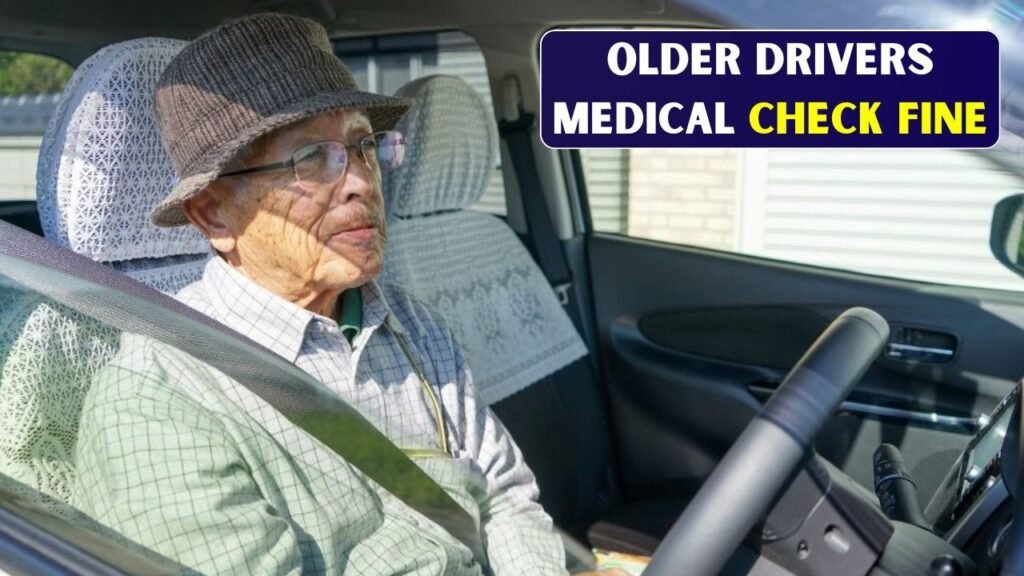
For many older adults, driving represents independence, convenience, and connection to daily life. However, in 2026, stricter enforcement around licence-related medical checks is catching many drivers off guard. Authorities have increased compliance monitoring, and missing required medical reviews can now result in fines exceeding $1,000 — even if the driver has not committed any traffic violations.
What makes this situation challenging is that most penalties are not linked to reckless driving. Instead, they arise from administrative non-compliance, such as failing to complete required medical assessments on time or overlooking licence conditions.

Understanding how these requirements work — and how to stay compliant — has become essential for older drivers who want to avoid costly penalties and maintain their driving privileges.
Why $1,000+ Penalties Are Being Issued
The rising number of high-value fines is largely tied to missed medical obligations connected to driver licences. These rules have existed for years, but enforcement has become far more precise due to digital systems introduced across transport authorities.
Drivers may face penalties if they:
- Fail to complete a required medical or vision examination
- Continue driving after a medical clearance has expired
- Ignore licence conditions requiring periodic reviews
- Miss deadlines for licence reassessment or renewal
- Fail to submit updated medical documentation

Even if a driver feels physically capable of driving, failing to meet documented licence requirements can still result in fines or licence suspension.
Authorities emphasize that responsibility rests entirely with the licence holder to monitor deadlines and remain compliant.
The Most Common Medical Checks Required
Medical reviews are designed to ensure that drivers remain physically and mentally capable of operating a vehicle safely. While requirements vary depending on individual health conditions and regional policies, several assessments are commonly required.
Vision and Eyesight Assessments

Vision testing is the most frequent requirement for older drivers. These evaluations measure:
- Visual clarity and focus
- Peripheral vision
- Ability to recognize road signs
- Night vision performance
Even minor declines in eyesight can affect reaction times and hazard awareness, making regular eye checks critical.
General Medical Reviews
Routine health evaluations conducted by general practitioners are often required for drivers with certain medical conditions. These may assess:
- Blood pressure and heart health
- Diabetes management
- Neurological stability
- Medication side effects
These reviews ensure that health conditions remain well-controlled and do not interfere with safe driving.
Specialist Reports
Drivers with specific medical conditions may require additional evaluations from specialists. These reports can include:
- Cardiology assessments
- Neurology evaluations
- Orthopedic mobility checks
- Respiratory function reviews
Specialist input is typically required when conditions could directly affect driving safety.
Cognitive or Functional Testing
In certain cases, drivers may be required to complete cognitive or functional tests. These evaluations measure:
- Reaction time
- Memory function
- Decision-making ability
- Physical coordination
Such testing is usually recommended when there are concerns about cognitive decline or mobility limitations.
Why Enforcement Has Tightened in 2026
The shift toward stricter enforcement is driven by advancements in digital systems and data integration. Licensing authorities now have access to real-time compliance data, making it easier to detect missed medical deadlines.
Key developments include:
- Digital licence records accessible during roadside checks
- Automated alerts for expired medical clearances
- Improved data sharing between health and transport systems
- Reduced reliance on manual reminders
- Standardized compliance procedures
These changes aim to improve road safety and eliminate inconsistencies in enforcement. However, they also mean there is far less tolerance for missed deadlines.
Drivers who previously relied on reminder letters or informal warnings may now face immediate consequences.
Why Many Seniors Are Being Caught Off Guard
Most non-compliance cases are not intentional. Instead, they occur because drivers overlook deadlines or misunderstand licence conditions.
Common reasons drivers miss required checks include:
- Digital reminders that are easy to overlook
- Expiry dates not clearly displayed on licence cards
- Renewal notices focusing mainly on fees rather than conditions
- Assumptions that passing one test eliminates future requirements
- Confusion about whether follow-up reviews are still required
In many cases, drivers only become aware of the issue after receiving a fine or facing licence suspension.
This highlights the importance of proactive monitoring rather than relying on external reminders.
The Hidden Risk: Insurance Consequences
Beyond fines, failing to maintain required medical clearances can create serious insurance risks.
If an accident occurs while a licence requirement is unmet, insurers may:
- Reject accident claims
- Refuse coverage for damages
- Cancel insurance policies
- Hold the driver personally responsible for repair costs
- Require repayment of previously issued claims
Even if the driver is not at fault, insurance coverage may be denied if licence conditions were violated.
This financial exposure can be far more costly than the original fine.
How Older Drivers Can Avoid Expensive Penalties
Preventing fines and licence complications requires a proactive approach. Drivers who stay organized and informed are far less likely to encounter compliance issues.
Review Licence Conditions Regularly
After every licence renewal, carefully review listed conditions. Pay attention to:
- Medical review requirements
- Expiry dates
- Specialist referral instructions
- Follow-up testing schedules
Understanding these details is the first step toward staying compliant.
Track Medical Deadlines
Maintaining a personal reminder system is essential. Effective options include:
- Calendar alerts
- Written reminder logs
- Smartphone notifications
- Family assistance reminders
Scheduling appointments well in advance reduces the risk of missed deadlines.
Book Medical Reviews Early
Appointments can sometimes take weeks to secure, especially for specialist evaluations. Booking early ensures:
- Enough time to complete required testing
- Availability of necessary documentation
- Opportunity to address unexpected delays
Waiting until the last moment increases the risk of non-compliance.
Keep Documentation Accessible
Always retain copies of completed medical reports and clearance confirmations. These records can help:
- Verify compliance if questioned
- Resolve disputes quickly
- Support insurance claims if necessary
Keeping both digital and physical copies is recommended.
Clearing or Updating Licence Conditions
In some situations, medical conditions listed on a licence may no longer apply. Drivers can request reassessment procedures to review their eligibility.
This process may involve:
- Updated medical evaluations
- Specialist confirmation reports
- Functional reassessment tests
If approved, outdated conditions may be removed, reducing the need for ongoing medical reviews.
Regularly reassessing eligibility can simplify long-term compliance.
What These Rules Do Not Mean
There are several misconceptions surrounding the current enforcement changes. Understanding what the rules do not involve helps reduce unnecessary concern.
Important clarifications:
- Not all seniors are automatically required to complete medical checks
- Licences are not cancelled solely based on age
- New testing is not mandatory for every older driver
- Penalties are not issued only after accidents
- The rules focus on existing medical conditions and licence requirements
Drivers without medical conditions tied to their licence may not be affected.
Why Staying Compliant Matters More Than Ever
Driving remains a key part of maintaining independence, mobility, and lifestyle flexibility for many older adults. However, stricter enforcement in 2026 means that administrative compliance is now just as important as safe driving behavior.
Missing a required medical review is no longer considered a minor oversight. With fines exceeding $1,000, potential licence suspension, and insurance risks, the consequences can escalate quickly.
Taking time to review licence conditions, schedule required medical checks, and maintain proper documentation can prevent unnecessary stress and financial setbacks.
A simple calendar reminder or annual review of licence requirements could be the difference between uninterrupted mobility and a costly penalty.